The Benefits of Physical Exercise and Strength Training

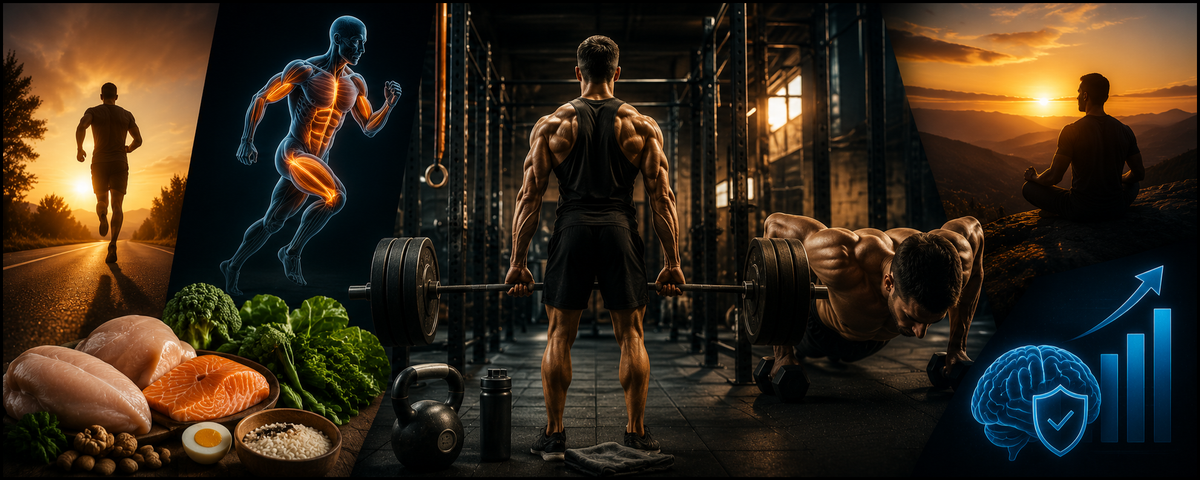
Physical exercise has become increasingly important in modern life as many people spend long hours sitting, working indoors, and dealing with high levels of stress and mental fatigue. While exercise is often associated only with appearance or weight loss, its real benefits extend far beyond aesthetics. Regular physical activity influences physical health, mental clarity, emotional balance, energy levels, and long-term quality of life for both men and women.
The human body was designed for movement. When movement becomes limited for long periods, the body gradually loses strength, mobility, endurance, and efficiency. Exercise helps restore balance by improving cardiovascular health, circulation, posture, flexibility, and overall physical condition. Even moderate activity performed consistently can significantly improve daily well-being and reduce the risks associated with a sedentary lifestyle.
One of the most important forms of exercise is strength training, commonly known as weight training or resistance training. Although often misunderstood as an activity focused only on bodybuilding or athletic performance, strength training offers benefits that apply to nearly everyone regardless of age or fitness level. Both men and women can improve their physical and mental health through regular resistance-based exercise.
Strength training helps increase muscle mass and maintain physical function over time. As people age, the body naturally begins losing muscle and bone density, which can affect mobility, posture, balance, and long-term independence. Resistance exercises help slow this decline while improving strength, stability, and physical resilience. For many individuals, this becomes especially important in maintaining health and quality of life later in adulthood.
Another major benefit of exercise is its effect on mental health. Physical activity stimulates the release of chemicals associated with improved mood, focus, relaxation, and emotional stability. Regular exercise can help reduce stress, anxiety, and mental exhaustion while improving sleep quality and overall cognitive performance. Many people notice that consistent training not only changes the body physically, but also improves confidence, discipline, and emotional resilience.
Strength training also contributes to metabolic health. Building and maintaining muscle can support better energy regulation, improved insulin sensitivity, and healthier body composition. Contrary to common misconceptions, weight training is not exclusively for men or for people seeking extreme physiques. Women benefit equally from resistance training through improved posture, bone strength, mobility, physical confidence, and long-term health protection.
For women specifically, strength training can help support bone density and reduce the risk of physical weakness associated with aging. It also improves muscular endurance, body stability, and daily functionality without necessarily leading to excessive muscle growth. The idea that resistance training automatically creates an unnatural appearance is largely based on misunderstanding. In reality, most women experience improved tone, strength, and physical balance rather than dramatic increases in size.
For men, exercise and strength training often contribute to improved energy levels, physical endurance, discipline, and long-term cardiovascular health. Resistance training can also help support healthy hormone balance and reduce some of the physical effects associated with inactivity and chronic stress. However, the greatest benefits frequently go beyond physical appearance and involve increased consistency, confidence, and mental focus.
Exercise also teaches patience and long-term thinking. Physical progress rarely happens instantly, which encourages discipline, routine, and consistency over time. These habits often influence other areas of life such as productivity, emotional control, sleep patterns, and personal organization. In many cases, regular training becomes not only a physical activity, but also a form of structure and self-care.
Importantly, physical exercise does not require perfection or extreme intensity to produce benefits. Walking, mobility work, resistance training, sports, cycling, swimming, or simple home workouts can all contribute positively to physical and mental health when practiced consistently. The most sustainable approach is usually one that balances discipline with realism and enjoyment.
Modern life often encourages inactivity, stress, overstimulation, and unhealthy routines. Physical exercise acts as a counterbalance to many of these patterns by reconnecting the body and mind with movement, recovery, and physical resilience. Strength training, in particular, offers benefits that extend far beyond appearance, supporting health, confidence, functionality, and long-term well-being for both men and women.
The long-term value of exercise lies not only in improving physical condition, but also in strengthening energy, discipline, emotional balance, and overall quality of life. Consistent movement remains one of the most effective ways to support both physical health and mental resilience across all stages of life.