The 10 Most Important Dates in the Catholic Church

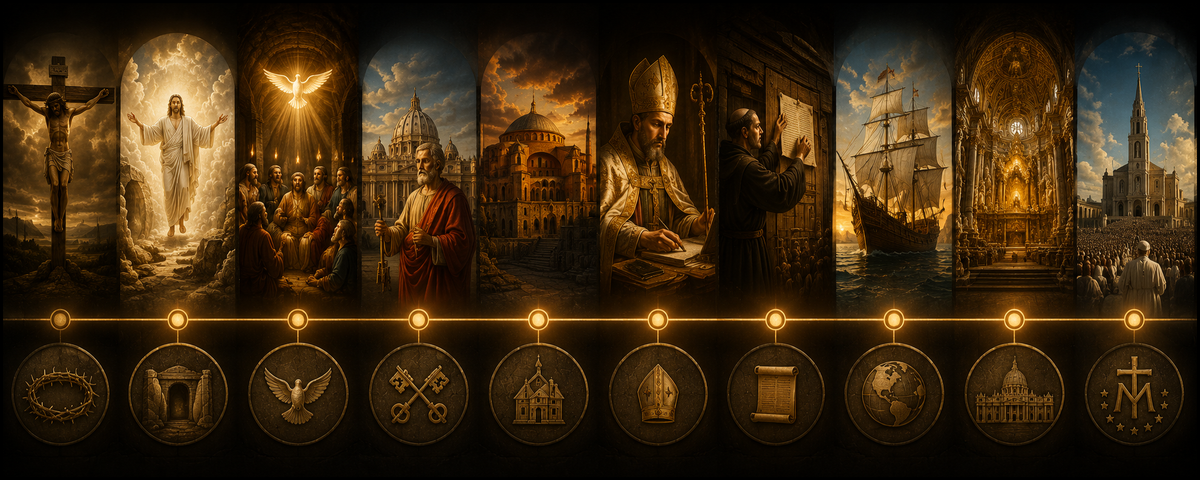
Certain dates carry deep significance within the Catholic tradition because they represent moments of faith, sacrifice, hope, and spiritual reflection that shaped centuries of religious life. These celebrations are not remembered merely as historical anniversaries, but as events connected to core beliefs about redemption, devotion, mercy, and the relationship between humanity and the divine. Across generations, these dates became part of the rhythm of spiritual life, influencing prayer, liturgy, family traditions, and collective memory.
Christmas, celebrated on December 25, marks the birth of Jesus Christ and stands as one of the central moments of the Catholic calendar. The celebration represents the idea of God entering human history through humility rather than power. Beyond its cultural influence, Christmas carries a message about hope, compassion, and renewal. It emphasizes simplicity, charity, and the belief that light can emerge even during periods of uncertainty and darkness.
Good Friday commemorates the crucifixion and death of Jesus. It is observed as a day of silence, reflection, sacrifice, and mourning. Unlike celebrations centered on joy, Good Friday focuses on suffering, injustice, forgiveness, and redemption. The date reminds believers of the cost of sacrifice and the importance of perseverance through pain and adversity. Its solemn atmosphere reflects themes of humility and spiritual introspection.
Easter Sunday, celebrated shortly after Good Friday, represents the resurrection of Jesus and is considered the most important celebration in Catholicism. Easter symbolizes victory over death, spiritual renewal, and the promise of eternal life. The significance of Easter extends beyond theology, as it also represents transformation, restoration, and the belief that despair is never the final chapter of human existence.
Ash Wednesday marks the beginning of Lent, a period dedicated to repentance, fasting, discipline, and spiritual preparation before Easter. The use of ashes symbolizes human fragility and mortality, reminding believers about humility and the temporary nature of earthly life. The date encourages reflection about priorities, habits, and the need for spiritual renewal.
Palm Sunday recalls the entrance of Jesus into Jerusalem before his crucifixion. It represents both celebration and contradiction, as the same crowd that welcomed him would later reject him. The symbolism of Palm Sunday highlights the instability of public approval and the tension between faithfulness and human weakness. It begins the most solemn period of the Catholic calendar.
Pentecost commemorates the descent of the Holy Spirit upon the apostles. This date symbolizes courage, spiritual mission, and the beginning of the Church’s public ministry. Pentecost represents transformation through faith and the idea that spiritual conviction can inspire people to overcome fear, uncertainty, and division.
The Feast of the Assumption, celebrated on August 15, honors the belief that the Virgin Mary was assumed into heaven. The date reflects themes of purity, devotion, faithfulness, and hope in eternal life. Mary occupies a central role in Catholic spirituality as a symbol of obedience, compassion, and maternal protection.
All Saints’ Day, observed on November 1, honors saints and martyrs recognized throughout Christian history. The celebration emphasizes the idea that holiness is not limited to extraordinary individuals, but represents a lifelong pursuit of virtue, compassion, sacrifice, and faith. It also serves as a reminder of spiritual legacy and moral example.
All Souls’ Day, commemorated on November 2, is dedicated to prayer and remembrance for the faithful departed. The date reflects the Catholic understanding of memory, mortality, and spiritual connection beyond death. It encourages reflection on the fragility of life and the importance of maintaining compassion, gratitude, and prayer for those who came before.
Corpus Christi celebrates the presence of Christ in the Eucharist and emphasizes the importance of communion within Catholic belief. The celebration highlights unity, reverence, and the spiritual significance of the Mass. Processions and public expressions of devotion associated with Corpus Christi reinforce the communal dimension of faith and the connection between worship and daily life.
Together, these dates form more than a religious calendar. They create a spiritual narrative centered on birth, sacrifice, resurrection, repentance, devotion, remembrance, and hope. Each celebration carries its own atmosphere and meaning, yet all of them contribute to a broader vision of faith that has influenced generations through ritual, symbolism, and moral reflection. Their enduring importance lies not only in tradition, but in the timeless human questions they continue to address about suffering, purpose, forgiveness, mortality, and spiritual renewal.